The stakes are high, but so is the potential for positive impact. By supporting TRISS, you are investing in a future where biodiversity thrives, communities prosper, and global environmental health is safeguarded. Join us in this critical mission. Together, we can make a lasting difference.
Why TRISS Matters
The Urgency of Our Mission
The regions where TRISS research stations are located are not just picturesque landscapes; they are critical biodiversity hotspots facing unprecedented threats. Environmental degradation, habitat loss, and unsustainable resource use are putting immense pressure on these ecosystems and the communities that depend on them. The stakes are high, and the urgency is real.
The Importance of Biodiversity
Biodiversity is the foundation of ecosystem health and resilience. It supports the natural processes that clean our air and water, pollinate our crops, and regulate our climate. In the regions TRISS operates, the wide variety of plant and animal life is under threat, with many species facing extinction. Losing this biodiversity would mean the loss of invaluable genetic resources, disruption of ecosystems, and diminished natural beauty, which are vital for both ecological balance and human well-being.
Socio-Economic Impacts
The stakes are equally high for the local communities. Many of these communities rely on natural resources for their livelihoods, whether through agriculture, fishing, or eco-tourism. Environmental degradation and biodiversity loss can lead to food insecurity, economic instability, and increased poverty. TRISS aims to support these communities in achieving long-term socio-economic stability by establishing research stations and promoting sustainable practices.
Global Environmental Health
What happens in these biodiversity hotspots has global implications. Healthy ecosystems in Southern Africa play a crucial role in planetary health. They act as carbon sinks, help monitor climate stability, and support a diverse range of species that contribute to worldwide biodiversity. Protecting these areas is not just a local concern, but a global imperative.
The Role of Research
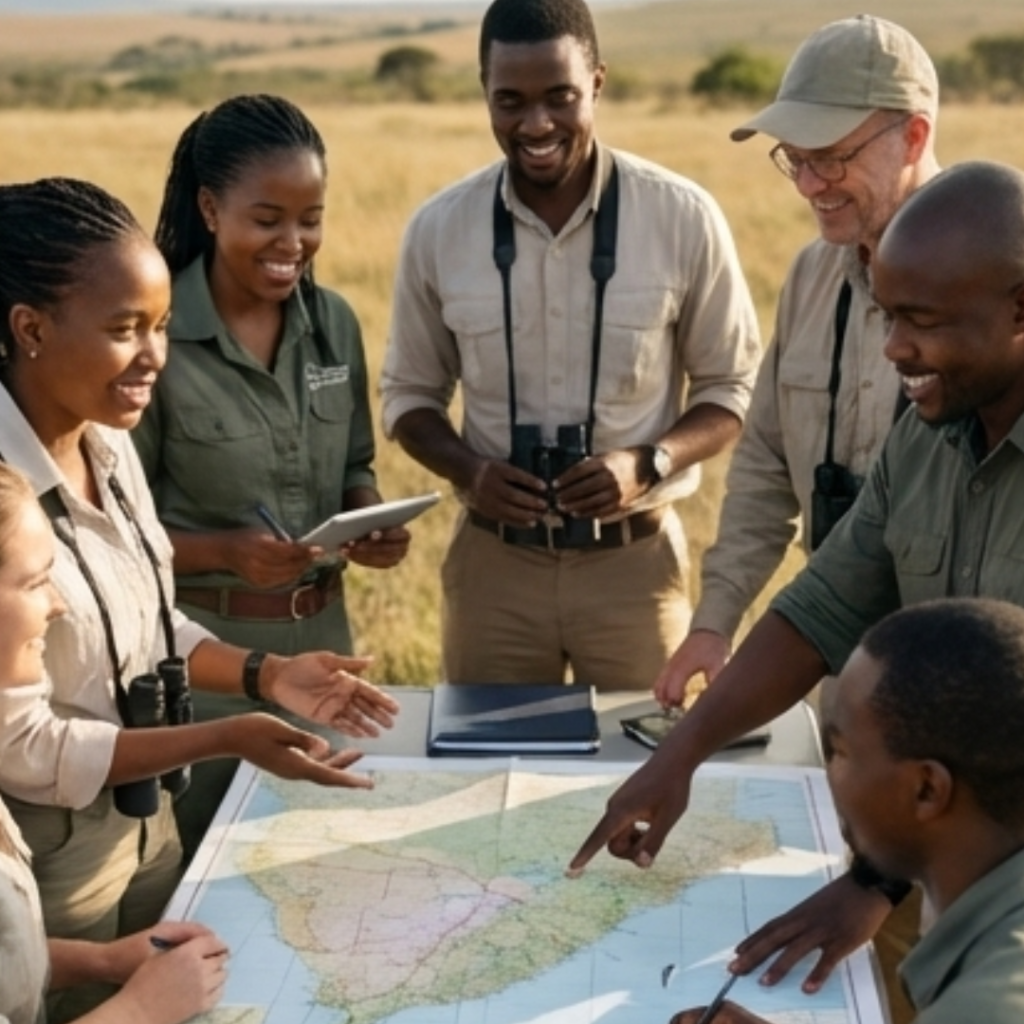
Robust, interdisciplinary research is essential for developing effective strategies. By establishing dedicated research stations in strategic locations, we can systematically collect, analyse, and report vital data. The insights gained from TRISS research stations will inform policy decisions, conservation efforts, and sustainable development practices both locally and globally. By understanding the complexities of these ecosystems and communities, we can create targeted interventions that preserve biodiversity, support local livelihoods, and mitigate the impacts of environmental change.
Education, Awareness, and Who Actually Benefits
There are significant challenges to conservation efforts, and TRISS seeks to overcome these barriers by identifying key problems through research and devising solution-driven practices that engage and benefit the community. We educate the public and empower students and researchers through mentorship programs and collaborative projects. We also provide access to research stations and unique opportunities to enhance their knowledge and skills in sustainability. By offering hands-on experiences, we strive to cultivate a greater appreciation for the environment and a solution-driven mindset. Additionally, we guide tourists through our Research-Experiential Tourism (REX-Tourism) initiatives. Volunteers also play a crucial role, contributing their time and skills to support our mission. Together, we promote responsible, proactive attitudes toward sustainability, while fostering a collaborative spirit within the community.
The Ripple Effect
The work done by TRISS has the potential to create a ripple effect. Every species saved, every ecosystem preserved, and every community supported contributes to a broader movement of global environmental stewardship. The research and education facilitated by our stations inspire change, promote sustainable practices, and influence policy at local, national, and international levels.
Get Involved
Individuals
Collective action to drive positive change. There are several ways you can get involved and contribute to our mission of advancing scientific research, promoting conservation, and supporting sustainable development.
TRISS offer an array of opportunities for students eager to engage in meaningful research, gain practical experience, and contribute to sustainable development. Whether you are an undergraduate, graduate, or doctoral student, TRISS provides a unique platform to enhance your academic journey and make a positive impact.
We invite universities to partner with us in advancing scientific research, promoting conservation, and fostering sustainable development. By working together, we can leverage our combined expertise and resources to address pressing global challenges.
At TRISS, we recognise the vital role that commercial companies play in advancing sustainability and conservation efforts. We invite businesses to partner with us in our mission to promote scientific research, environmental conservation, and sustainable development. Be part of making a powerful impact and drive meaningful change.
“If global science is a vast engine requiring fuel (data) from remote places to power critical decisions, TRISS is setting up crucial, strategically placed fuel depots in a key underserved region, ensuring that the necessary high-quality data and local expertise are reliably supplied to the system, thereby strengthening global knowledge and local capacity simultaneously.”
The Importance of TRISS Research Stations
The TRISS research stations in Southern Africa are crucial for advancing scientific knowledge, addressing regional and global challenges, and fostering sustainable development. These facilities will enable research across multiple disciplines.
Key benefits include:
Scientific Advancements: Facilitating cutting-edge research and innovative solutions to pressing issues.
Educational Excellence: Providing hands-on experience for students and researchers, enhancing academic training.
Community Development: Creating local jobs, supporting businesses, and engaging in community projects to improve socio-economic conditions.
Environmental Conservation: Supporting wildlife and habitat preservation, protecting the region’s biodiversity.
International Collaboration: Encouraging global partnerships and knowledge exchange, leading to comprehensive research outcomes.
Sustainable Development: Serving as models for sustainability through renewable energy use and efficient resource management.
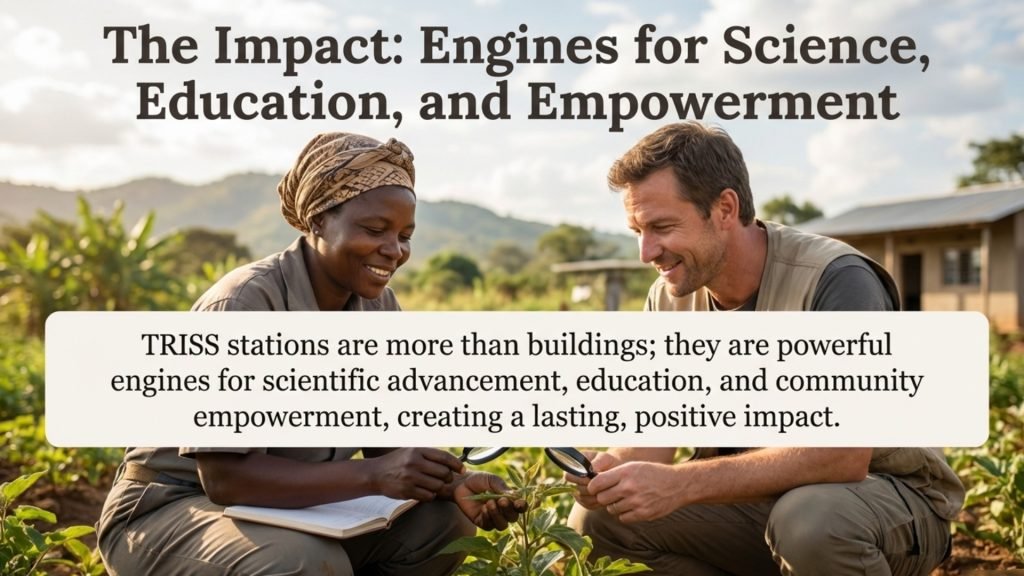
The TRISS research stations will be catalysts for positive change, driving scientific progress, educational growth, community development, and environmental conservation. Your support is vital to achieving these goals and making a lasting impact.
The Research Initiative for Sustainable Solutions (TRISS) is a non-profit company dedicated to establishing a network of research stations within Southern Africa, some of which will be located in remote areas, and will play a pivotal role in investigating and understanding diverse social, environmental, ecological, and sustainable development challenges. This comprehensive research data will enable various stakeholders to assess and ultimately formulate and implement sustainable solutions to current and potential future challenges.
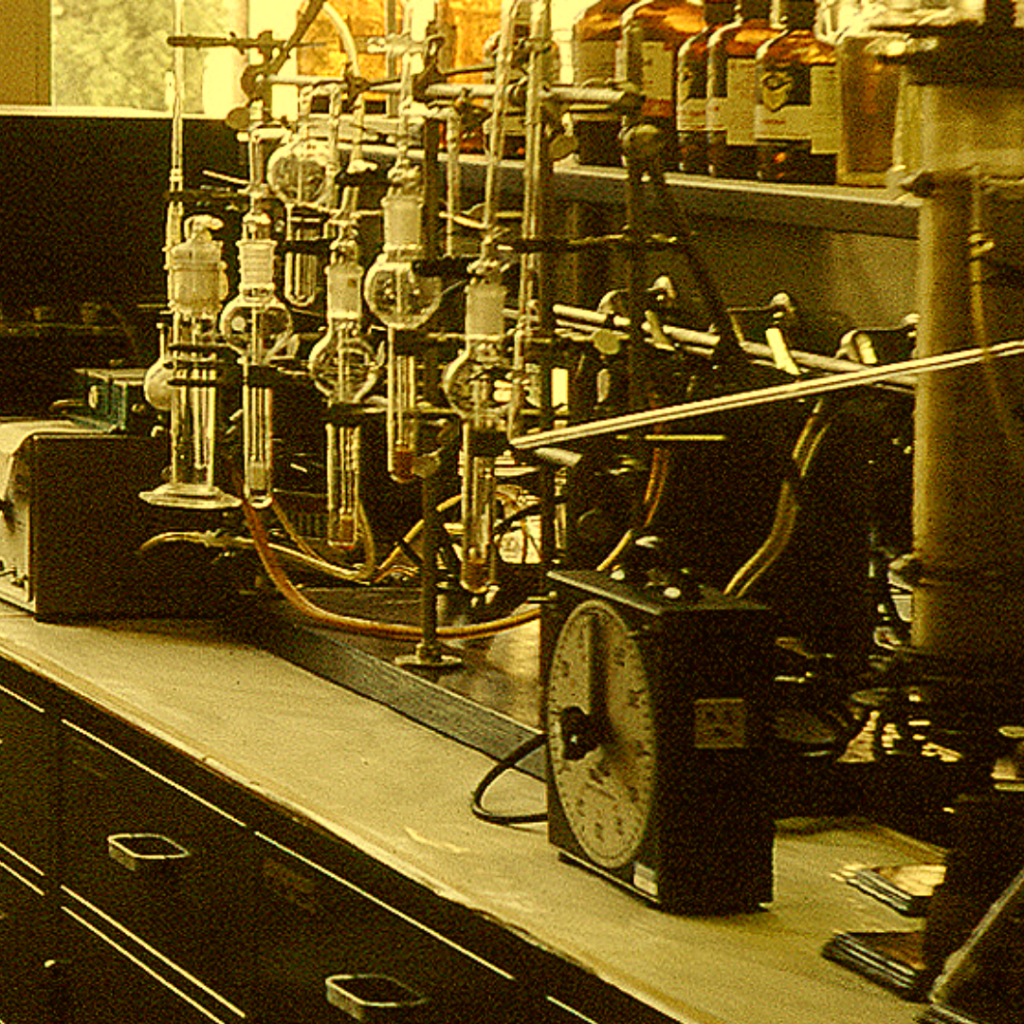
The primary focus for the initial phase of our vision is to establish functional research stations in the following countries: Malawi, Namibia, Botswana, Zambia, Zimbabwe, South Africa, and Mozambique. Additionally, these research stations will function as dynamic hubs to facilitate multidisciplinary research in various subject areas, providing institutions and students from diverse backgrounds and academic disciplines with an exceptional opportunity to conduct research. Whether exploring sustainable practices for multinational companies or supporting master’s theses, PhD dissertations, and practical credits, these stations will provide up-to-date facilities, including modern laboratories and comfortable accommodations.
The TRISS research stations will provide a unique platform for researchers and students to engage in a wide array of research opportunities across various disciplines. These stations will not only enhance the capacity for scientific inquiry but also contribute to sustainable development and conservation efforts in Southern Africa.
Here are the current trends in field research that align with the goals of establishing research stations within Southern Africa.
TRISS addresses critical challenges facing the Southern African region. By focusing on these areas, the research stations can contribute significantly to scientific knowledge, community empowerment, and sustainable development practices.
As global awareness of environmental conservation and sustainable development grows, the tourism industry is undergoing a transformative shift. One of the most exciting and innovative developments in this sector is REX-Tourism, a concept that integrates Research, Education, and Exploration into the travel experience. By blending these three pillars, REX-Tourism offers…